
by Yessenia Guglielmi | Mar 22, 2026 | article
The Habeas Corpus
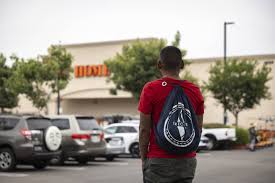
The term is Latin for, You shall have the body. The body in question was a father who was detained since the winter. He was waiting to be picked up for work when ICE came and took him with other men early one morning at a bus stop. (See it here: https://www.instagram.com/reel/DS06pQoibej/ )
Maybe it’s because I’m Mexican, the idea of waiting for the right time is more of a Western concept. Growing up, my mother always reminded us that “tomorrow isn’t guaranteed, you might not wake up tomorrow.” Celebrating the day of the dead and becoming acquainted with the concept of death always lurking nearby. In Mexico, people need to improvise. Things are never complete, there’s never enough, so you gotta wing it. You’re gonna die anyway so just do what you can. So this article is not legal advice and I’m not claiming that it’s the right solution. It’s what there is to work with.
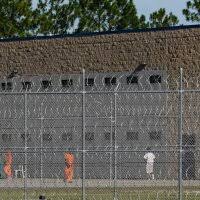
I’d spent the better part of a day researching and calling different organizations in Georgia for some assistance. The father that our mutual aid group is trying to help was moved one day before his bond hearing to the Folkston ICE Detention and Processing center. For no viable explanation, just a distressed phone call from this father saying he’d been moved. His due process right to a court hearing, delayed. Or worse, denied. This father left behind a son, a barely 18 year old left to survive without parental support or financial security. No criminal background for him, just standing at the wrong place waiting to go to work.
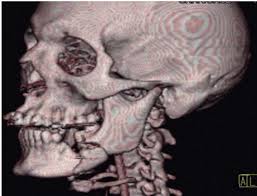
Five hundred dollars, it’s a lot of money for a consultation. That’s what most lawyers are requesting in Georgia without a guarantee that they will take the case. It’s been a month now since this father arrived in Georgia. He’s in terrible pain. Part of his asylum plea is the physical evidence he bears. When I sat across from him during my visit at the Elizabeth Detention Center he showed me. He opened his mouth and pulled his cheek to reveal the metal plate in his mouth. Keeping his jaw in place and preventing disfigurement of his face. He turned his head so that I could see the scar of the exit wound of the bullet that left his body. He was shot while riding on a bus in his home country. His life in danger. Especially since he survived the attack. The second bullet entered his arm. He lowered the navy blue detention uniform to show me the wound. His arm is in constant pain still. He needs physical therapy to prevent him from losing the use of his arm. His shoulder, neck, hand, and fingers all affected.
“I tell them I’m in pain everyday,” he says to me. His face grimaces as he moves his arm along the table that separates us during the visit. I can smell the metal on his breath as he speaks to me. “My son’s alone. I call him every chance I can.”
He cries at the end of the visit. He cries for himself, his son, his family who depend on him for money to survive. He has two other children and a wife waiting. They want to know why he hasn’t called. I hug him before I leave. I let him know that we are looking in on his son.
I met his son recently, he came to our Morristown Together pot luck. He has his father’s same slight frame, the same quiet dignity of someone carrying more than they should have to.
We’re trying to help his son. He needs help with rent, he works in construction. Keeps the same room they were renting. He has a bike to get around but he’s vulnerable. I have my own 18 year old who still needs me as much as she says she doesn’t. I know the things that come up, the guidance and support needed. If we can find him a sponsor to live with, he has a chance to get his documents organized so he can work without fear of deportation.

When I met with him in person, I hugged his 5’3 frame. We went to get some clothes for him, “32 waist by 30 length” he reminded me as I looked for jeans for him. He’s so small, not in the physical sense but in this larger world with so much uncertainty. He inspired me to be brave. Try something new. After hitting so many roadblocks to have an attorney in Georgia submit the Habeas Corpus, AO 242 form. I decided to just do it myself on his behalf. It’s called Pro Se. Basically, he is representing himself in court. What do we have to lose? If it’s denied we are no better off than we are now. I asked for some help from AI and will just wing it. Turns out, I’m pretty good at it.
If you would like to help support this family, please consider donating to Morristown Together. We are a mutual aid your donation goes directly to helping the families we serve. https://venmo.com/u/Morristowntogether @morristowntogether https://linktr.ee/MorristownTogether?utm_source=linktree_profile_share<sid=92e179a4-bfa5-4060-a1f4-25233581c200
by Yessenia Guglielmi | Feb 20, 2026 | article
The Agony of Losing Your Dad

I punched the Alien number into the ICE locator website and the ACIS site as well. It had been over a week since the family last spoke to him. Him, the father of two little girls who were anxiously waiting to hear from him.
“Where’s Papi?”
I had promised her that I would give him a hug from her. The website says his case was determined by a virtual zoom court where he and many other fathers are detained. They have to answer three questions which governs their fate in this new dystopian world we find ourselves in.
- “Are you a citizen of the United States?”
- “Did you receive permission from a border agent to enter the United States?”
- “Do you have documents that prove you were allowed to enter?”
Then the choice.
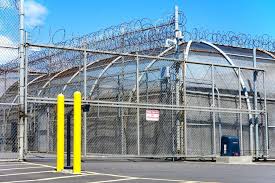
Leave voluntarily, deportation, or appeal and wait in detention. Voluntarily means you have money to pay for a ticket, have a passport, and someone who can help you make the arrangements. Fit your entire life into a small carry-on sized suitcase. Leave on the date determined by ICE. Deportation means more waiting. Being moved to another state detention center and waiting in conditions unknown. An Appeal could mean the same thing with the same outcome: sitting in a warehouse while your life is frozen.
After frantic calls to Delany Hall someone finally picks up and says “Yes, the locator is correct.” By all accounts he should be there. My first visit to Delany with my companion revealed that the men are separated in groups and that group determines the time they can have visitation. 2B is his and it’s at 7:20 tonight. Arrive an hour early to wait. Dress the way they ask. I’ve been through the detention process before. The waiting is wearing on me now, it feels mechanical. Something we all have to do at certain times in our lives. Something we can’t side step.
I reached out to the volunteers camped out in a tent at Delany Hall. Kind people who have brought extra clothes in case a person needs to change to meet the dress code. Hot coffee and sweets for after the visitation, some supplies for those who may need diapers or clothes. Some coats hang in the back if someone needs it they can take it for free. Stickers with words of resistance on them.

They are waiting too.
Waiting to help, hoping to heal, finding ways to survive all of this. I think about my own dad. He is waiting silently at home for his kidneys to fail. Stage 5 kidney failure and heart failure. He waits for me too, to visit him and spend time with him. I think about the little girl waiting in a walk up apartment waiting for the phone to ring. To know her dad is still there. How little time we all have on this planet, in this existence. Why are we wasting it with this horror? Little girls need their fathers. Locking them away in detention when we have such limited time already breaks my heart into small fragments with nowhere to go but back to Delany Hall, hoping he’s still there to get his hug. Not like with other cases where they can’t find the detained person or don’t have their paperwork in order and realize they were moved to another state days ago without informing anyone.
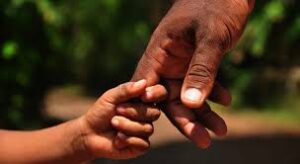
This feels unbearable to me and I’m almost 50. I don’t know what a 9 year old is thinking about or how she’s coping in her classroom worried about her dad. I’ve had a short lifetime with mine and having him in my life has made all the difference.
So many children are now fatherless waiting to see if their father was deported. Cheated out of time and lives without them.
Some fathers wind up on buses in Texas or Louisiana waiting. Promises from the CPB number to call for money to leave are empty. No one is getting help. People are afraid to buy their own ticket and leave on their own. Being detained and taken into human warehouses is a real outcome now. Waiting in homes for things to pass, hiding. This is our new reality. This is what we are doing. This is where all your tax money is going.
Our community group is currently raising funds to help families like this one navigate legal fees and basic needs while they are ‘frozen in time.’ If you found strength in this blog posts message of ‘Together We Are America,’ please consider being the ‘WE’ that supports them here: https://venmo.com/u/Morristowntogether
Cosecha NJ is another group doing profound work in our community if you want to connect with them or donate:
Movimiento Cosecha es un movimiento popular y no violento luchando por protección permanente, dignidad y respeto para los 11 millones de inmigrantes indocumentados en los Estados Unidos. Creemos que a través de acción directa y la no-cooperación económica, podemos hacer un cambio.
https://www.facebook.com/cosechanewjersey/

by Yessenia Guglielmi | Feb 11, 2026 | article
The Journey To Elizabeth
Driving to Elizabeth on any occasion is a journey. The Garden state parkway, the Turnpike, 1&9, Newark airport, and the loads of evening traffic makes it perilous. I was grateful not to be driving, just sitting in the passenger seat and doing that thing where I think I can hit the brakes on my side too. My companion and I happily chatted away noting synchronicity between us making the drive feel like a fun collaboration.
She had made this drive several times before and genuinely cared for the people she wanted to help in whatever way she could. I respect that greatly. Once the news journalist goes away and the sensation dies down, what’s left are families in need. No music in the car, just the sing-song rhythm of our talking filled the car.
I’d never been to a jail or a detention center. I had no idea what to expect. I knew that prior to meeting my companion had mentioned to me that there was a strict dress code. Solid colors only, no logos, no tank tops, no leggings or yoga pants, nothing see through or sheer, nothing low cut, no hoodies. You can only bring yourself in to visit. No phones, smart watches, or jackets. Belongings are stored in a locker. Finally, I had to bring my ID. Already the directions imparted for this visit set a tone.
With this in mind, I dressed in compliance. Loose fitting gray lounge pants and a sweater. My companion told me that visiting times during the week begin in the evening at 5,6, and 7 pm. Each visit is for an hour. On the weekends the hours vary. Knowing the Alien number of the person you are visiting is helpful as the majority of the staff do not speak Spanish. So pronunciations and spelling makes it hard for them to access records quickly of whom you are visiting.
Concrete Walls
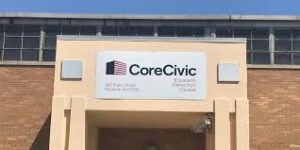
The detention center is located in a back lot near warehouses. Run down, it’s the oldest detention center in the state and it shows. The front of the building has three worn down American flags at the entrance. The sign Core Civic above the entrance. Their logo looks like a shipping storage container in the shape of an American flag. Make no mistake, they are warehousing human beings here.
As we entered through the front doors I noticed rows of seating where family members were seated waiting with tags attached to them with numbers. A row of square lockers against the wall and a small window where a Core Civic employee manned the visitors desk. She sat behind a clear plastic window in a tightly fitted uniform.
Her hands did not have to touch visitors. Small slates within the partition made it so you could slide an ID to her. My eyes took in the room at that moment and I thought to myself, if this is the visitors entrance imagine what condition the dorms are in.
I noticed the employees were African American, Latino, and Asian. Elizabeth is an urban area. Good jobs are scarce for people who didn’t go to college and even for those that did. Core Civic is a for profit prison company and I wondered since they are oppressing the detained, what must they be doing to their employees.
For a company that needs to squeeze out profits for its share holders, these economic gains come off the backs of many. Later that evening, I’d research jobs and found the only job listed on the company’s website was for a detention officer which pays $34.32 an hour. A high school diploma or GED listed as a requirement. In an area like Elizabeth this is what many would consider a good paying job. But at what cost?
Once we signed in, the front desk attendant gave my companion a pad lock to secure our belongings into the small rectangular locker. We clipped on our tag and left our ID with the lady. My companion noticed one of the young ladies wore a hoodie and gave her a tee shirt she was wearing over her shirt so that she would not be denied entrance. Another family was waiting to see if they could locate their loved one after being told they could not visit due to him being kept in higher security at that time. They had not heard from him in two days.
They patiently waited, left and came back to ask again about his whereabouts until they found him. Lost in paperwork or some other disorganization the thought of not being able to find someone within this system was terrifying. If it had been my father lost in this detention center, I don’t know how I would have coped with it.
We waited for the visitors from the first hours to come out and we began to line up to enter. First we would need to go through a shabby metal detector and take off our shoes to run them through a screener as well. We waited in a holding room for a few minutes until the doors opened to allow us into a community room where the detainees waited for their guests. In my group were teens and young adults, a mother with a baby, parents and grandparents coming to visit their loved one.
The visiting room was bare. The only pop of color were some soft color tiles on the floor in a makeshift children’s play area. No toys, just a small table and chairs. The room was open with detainees sitting at tables waiting for their visitors. Concrete gray wall with fluorescent lighting. No windows or ventilation.
Elizabeth is a men’s only detention center and those in this section do not have criminal records. The room was full of men without criminal records being detained against their will. Men who looked like uncles, cousins, and people from my neighborhood. And they are my neighbors. A few weeks ago they were working in town. Perhaps I’d bumped into them at Dunkin or at Pan Pizza. Faces that looked familiar yet now in this setting they looked forlorn.
Meeting Rubin

The man I was visiting with, I’ll call Rubin to protect his identity. A middle aged man from Guatemala. This was the first time we would be meeting. We were at once taken aback by one another. I was not who he was expecting and he was not at all who I expected to see either. We had no prior communication.
I greeted him warmly and introduced myself. He thanked me for the visit and seemed relieved to have someone to talk to. I told him that I worked as a counselor in the community and to forgive me if I asked too many questions as it’s my nature to run with my curiosities. He smiled and welcomed my questions.
“How did you come to be here? What happened to you?” I asked.
“I got up one morning to get myself some coffee. They took me. I didn’t have my phone or ID. I wasn’t even wearing a jacket. They just took me off the sidewalk.” Rubin’s dark brown eyes looked up to the fluorescent lights and put his hand to his mouth. He clutched it in a way that I do when I don’t want to cry. When I want to hold back and keep composure. Men don’t cry.
I was mainly here to discuss his court case. He was on schedule to meet with the judge tomorrow and wanted to make sure he understood his options.
“If you ask for asylum and they deny it. It could be that you are sent someplace else. If you decide to continue to pursue your claim you could be here for a while longer with no sure outcome. If you decide to self deport, you could be held here in detention until they send you. What have you been thinking? Do you have a lawyer?”
“When I got here, I called the number and spoke to someone but I never heard back from the hotline. I don’t think I have a lawyer. I’m not sure yet what I want to do.”
I sat with his words for a moment. Understanding the gravity of them. Rubin has not had the opportunity for representation and despite that, this court date would continue. Apart from our conversation now, it was unlikely that he’d had a chance to discuss it. They informed him about the court date a few hours ago.
Rubin clutched his biceps trying to warm himself. The thin dark blue detention outfit he wore was short sleeved with a white undershirt beneath. I, in my sweater, had the benefit of warmth and security that Rubin would not tomorrow.
We spent time discussing the pros and cons. Rubin informed me that he’s been in this country for 15 years. The last five in our shared community. It pained him deeply to leave. He’s worked in construction. Rented a room in a house and in his time paid for it dutifully. Now the landlord threatened to throw out his stuff if he didn’t receive payment for the room by the 15th.
“All my things are there. I have money there that I was saving too. Things I’ll need if I go to Guatemala. I’m so disillusioned with people.” His face changed. A sourness came over him as he spoke. His voice pressured. Disgust in the lack of compassion from his landlord who knew where he was and the notion that humanity came down to the royal dollar.
In the end, that’s all that mattered. Not the five years of knowing him, knowing the kind of person he is. It didn’t matter. Tears filled his eyes but he gazed upwards into the fluorescent lights again and swallowed them back into his tear ducts. He wasn’t going to cry. The resentment in his heart steeled him. Protected him now when he most needed it.
We spoke about this betrayal that he felt, not just with his landlord but in life. The old childhood wounds of feeling left alone to survive. The oldest of five children who had left home early to work and eventually made his way to the United States. No contact with his father. Not discarded by his family, just against insurmountable odds most of his life. We spoke of the conditions in detainment.
His concerns for a younger man who wasn’t coping well. The constant screaming of another man who was struggling with mental illness and had no help. Just relentless crying out with no answers. The other men endured it all day. Patience was wearing thin, people had changed in order to survive. He kept to himself talking to the younger man who often sought him out to talk.
“Talk about what, there’s nothing that I can tell him,” Rubin said to me.
“What else have you experienced?”
He told me. Leaning in and looking around the room to see who was nearby, who could be listening. “They record things,” he said.
“There was a man who died in the bathroom. He sat there for hours before they took him away,”
During the end of our time, we spoke about metaphysics, religion, God, family. Food was the big topic.
“Chanclas,” he said. “They have them in Mexico too,”
“Yes, the long tortillas that resemble a flip flop loaded with refried beans, meat and any other topping,” I responded.
“I miss the food the most. Here they give us something that looks like that but very small,” Rubin squeezed his fingers together to give me a sense of the size. “No one eats them, they taste terrible.”
We reminisced about food from his childhood. At that moment I remembered a comment I get a lot from my writing about spending too much time on food. I wished to be able to capture the longing look on Rubin’s face to help my writing group understand how fundamentally important food is to us. The essence of it in the culture and memories of our lives. How could I not write about food?
The Little Things

In the end, Rubin asked me if I had watched the animated film Soul. The guard announced that visiting time was over. I urged him to hurry and tell me. I wanted to know why it was so meaningful to him. I didn’t stand up like others around me who were preparing to leave.
“In the movie, at the end when he is reflecting on his life. That moment when he notices all the little things that are regular old living. When he realizes how special it all was. That’s how I feel right now.”
I did too. Later, when I went to youtube to remind myself of the scene Rubin spoke about I cried as I watched it. The feeling of how critically important all these seemingly small things in our everyday lives are taken for granted until they are gone. I thought about Rubin when I went to bed. I wondered if he was cold. If he died tonight would anyone find him or would he sit there for hours? If our souls were meant to cross paths in this way? What is the greater meaning to all of this injustice?
https://youtu.be/5i_DKxZu0aI?si=v-3QboGqexPealLb
P.S. Our community group is currently raising funds to help families like this one navigate legal fees and basic needs while they are ‘frozen in time.’ If you found strength in this blog posts message of ‘Together We Are America,’ please consider being the ‘WE’ that supports them here: Rapid Response https://venmo.com/u/Morristowntogether
Meta-Description:
What happens when a person is reduced to an “Alien Number”? A moving account of a visit to the Elizabeth Detention Center and the human stories hidden behind Core Civic’s walls.
by Yessenia Guglielmi | Feb 9, 2026 | article
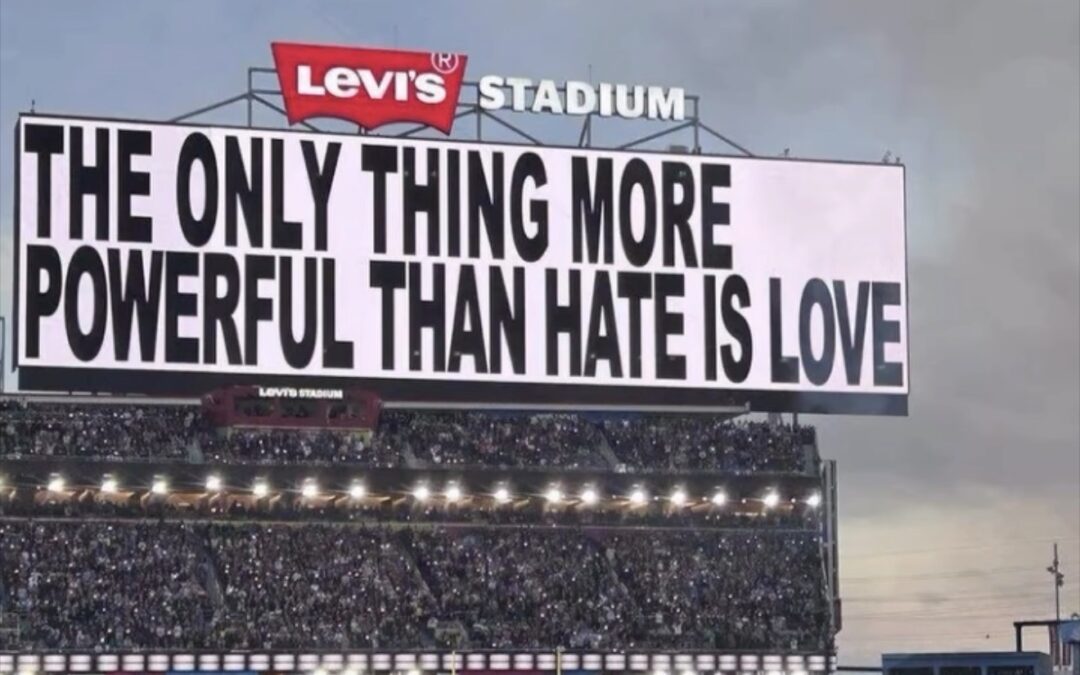
Beyond the Stadium: What “Together We Are America” Means for the Families Left Behind.
I found myself at a walk up apartment sitting on a leather couch next to two little girls and their mom who was holding a baby. The apartment smelled wonderful. Lavender Fabuloso scented the room. Unmistakable to me, reminding me of my mother and the fact that I hadn’t cleaned my own house this week. This mom had her home spotless. The cleaning product surely had hit every surface. I sighed thinking of all the things I’d let slide at home. Above me on the wall was an image of La Virgin De Guadalupe with her hands in prayer. The family had left some Christmas lights around her and I imagined at night it looked beautiful in the center of the room. Mom had left other Christmas decorations up. She said it cheered her up. But as we spoke, I realized they’ve been frozen in time. Outside the world was moving onto Valentines day. The father had been detained a week before the holiday. Inside this apartment it was still December.

I asked the mom if we could speak privately at first, and she agreed, shuffling the children to their rooms. We moved into the small kitchen area and I opened my lap top to prepare. First the usual consent form. I’m a community consultant. Not a counselor today. Today, we will discuss options. The children have lost their father to the detention center. Picked up by ICE not for committing a crime. For reporting into his scheduled meeting after following all the rules. Having a work permit, doing things the right way. The legal way. Having a lawyer who helped with the process. Yet it was not enough. Now the children call their father for a few minutes a week on an app that they pay a lot of money per minute to tell him goodnight. Weeks have gone by and no visits. They can’t risk it. They can’t trust a system that would do this.
“Can you give my Daddy a hug from me?” Her brown eyes looked at me pleading.
“Of course I will, honey. I’m gonna go see him soon. Do you want me to tell him anything?”
“Tell him that I love him. Tell him that I miss him.” She rubbed beneath the frame of her dark blue glasses. Those brown eyes now full of tears.
“Absolutely I will tell him. I’ll make sure he’s okay and if he needs anything we will help him.”
I took a breath. Thinking about my own daughters. The heart ace they would feel if their dad was taken from them and weeks had gone by without being able to see him. Hold his hand. I don’t know if I can help this family. The grief, trauma, ongoing fear they have to endure on a daily basis feels like a tsunami and all I have is my laptop. Some forms for them to read, a consent form to sign, a whistle kit, and such few resources. Her dad is going to be deported. She might never see him again. My brown eyes filled with tears. But I wasn’t here to cry.
“I’m gonna see you soon. We are working on some good plans so you guys can start to feel safe.” I say to her and myself. Stick to the plan. Provide what mom needs. Give her information so she can make informed decisions. There are more deportation orders for this family and linking them to support is critical.
My companion who met me despite the freezing cold is encouraging. She helps me translate and communicate with mom when the words jumble. We talk, plan, and think out loud. Leave her important forms. As we gather to leave the Fabuloso no longer smelled as strongly and the staircase that leads down reminded me of the many steps ahead. My companion and I need to communicate with the other moms and community friends to work on resources. Coordinate a trip to Delany Hall in Newark and a flurry of messages needed to happen.

Screenshot
Sunday evening I sat on my couch across from my husband anxiously waiting for Bad Bunny’s performance at the Super Bowl. Tired of all the negative posts and criticisms. Hearing about people close who support ICE. The Tsunami rising. Then the performance began.
At that moment, I was transported. Lost in the joy of the moment, hit with all the things I love. The music, the dancing, the people, the strength. Benito giving his Grammy to a child who reminded me of Liam Ramos in that moment. It was incredibly up lifting. It reminded me that anything is possible and that the ‘WE’ in Together We Are America absolutely includes the families in walk-up apartments, the fathers in detention, and the children waiting behind dark blue glasses. There are millions of us fighting against this injustice, and in that joy, I found the strength for the many steps ahead.
P.S. Our community group is currently raising funds to help families like this one navigate legal fees and basic needs while they are ‘frozen in time.’ If you found strength in this blog posts message of ‘Together We Are America,’ please consider being the ‘WE’ that supports them here: Rapid Response https://venmo.com/u/Morristowntogether

by Yessenia Guglielmi | Jan 19, 2026 | article
People Being Taken Off The Streets By Armed Men In Masks:
The post came up on my Facebook. A link for a GoFund me to help the family that was in the news. The father was taken and a 6 year old left alone. Just left. As a mother, this was unimaginable to me. I have two daughters and all of this feels surreal, it doesn’t feel like the kind of thing that would happen. I watch the news, read the online articles and wonder what if anything I can do. The reality is that even if I had a bunch of money readily available that would not fix this. I have no grandiose ideas of what could help. I go to work daily to serve my community. I have to make dinner every night, take care of my household responsibilities, what could I do to impact this awful situation?
I write this as a witness, not as a bystander. I’m a subject matter expert. A doctorate level clinician with 25 years of experience serving in this community. I’m here to highlight the catastrophic failure this ICE endeavor is and will be for generations to come. What isn’t in the budget for the DHS is the long-term cost this will be for all of us. This is a debt we will never be able to repay. This will haunt us. Staying silent and normalizing what we are all experiencing is not the answer.
To see the damage just take a look at the comments of most social media posts about ICE or even the go fund me post set up for these families or victims of ICE to see the impact this is already having.
The Mental Health Debt:
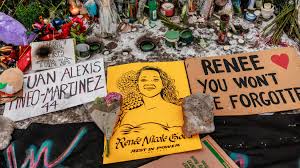
What we are living through feels awful. Like a stain, as if we are stained from watching the news clips or the social media. It feels sometimes like we are over extended and asked to hold more. Leaving us feeling indebted.
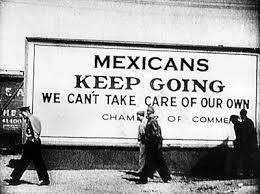
This feeling of helplessness, I know is terrible to have for a long period of time and yet this situation with ICE feels like it’s just getting started. According to the Department of Homeland Security there will be billions of dollars allocated to this. https://www.brennancenter.org/our-work/analysis-opinion/big-budget-act-creates-deportation-industrial-complex This will be a cash cow for many private prison companies. Taking people away will be lucrative and is not going to stop. This terrible wrong will take generations to begin to heal. Like we have seen in history, with the Emancipation Proclamation era 1863-1865, Frederick Douglas continued to write about the debt of slavery which still continues today. https://www.loc.gov/collections/frederick-douglass-papers/about-this-collection/The Mexican Repatriation Act of 1929-1936 where an estimated 400,000+ Mexican Americans most of whom were citizens were forcibly repatriated. https://www.npr.org/2015/09/10/439114563/americas-forgotten-history-of-mexican-american-repatriationThe Termination Policy of Native Americans from 1940-1960 where Native people were stripped of their communities, land, and legal identity. https://americanindian.si.edu/explore/repatriationOur national debt is already at its peak, adding more with these raids harms all of us. Harms our mental, spiritual, physical health. It harms our communities, children, future generations, and businesses. It deprives us of healing and leaves us all in states of fear and uncertainty. https://americanhistory.si.edu/becoming-us/belonging/hidden-histories
2026 The Social Death –
What does it mean to be illegal? When you suddenly find yourself without any legal status. Socially erased from a community you grew up in. When you are afraid to take the bus to school because you don’t know if your parents will be taken away. You don’t know if ICE will board the school bus but or come to your classroom. You have a legal entry card, an assigned alien number, permission to be here until you have a court hearing but now you are in constant fear. What if you didn’t do anything wrong, merely exist? Now you’re scared to leave the house or have armed men at your door. This is the reality for many of our neighbors and people working in our communities. If you think this does not affect us all collectively think again. If you think your young children don’t know what’s going on, their answers will surprise you. What are we teaching and modeling to the next generation?
Mandatory Reporter
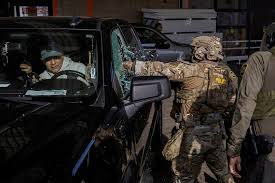
How long will our state continue to allow these raids in our communities when the harm it is causing is costing us the erosion of trust in our systems. It’s not just about the amount of therapy we will need after all of this. It’s about betrayal and broken trust. How can I as a mental health worker trust the very system that is causing harm to children and families. What hotline can I call for help or intervention for these situations when the very systems in place can’t be trusted. This paradox is the cruelest part of this. So many teachers, nurses, social workers, counselors, lawyers, no longer know how to help. No longer have the same trusts in our systems. We all witnessed children in cages, people who are not criminals taken, people lost once they enter detention centers, deaths in detention, mistreatment, and unarmed people peacefully protesting dying.
Resistance:
Self care as a form of resistance seems like another strange paradox. But it’s important. This situation with ICE and deportations is going to be with us for the next few years. Self care is fundamental to ensuring you, your family, and community make it through intact. I hear from my patients the frustrations they feel with our current situation but not knowing what they can do. They still have families who depend on them, don’t want to risk their jobs, don’t want to be deported, or get into trouble. With these conversations, I always encourage them to begin with self care, practice patience, humility, and kindness. It’s the best way to build hope and to model to yourself your values. Kindness is the highest currency in heaven, it matters greatly here as well.
Love yourself. Love your family, pets, neighbors, trees, whatever may call to you feeling and expressing love is powerful. It allows you to connect to higher forms of connection like empathy and compassion. Love has a transformative power. The more we engage with it, the better it is for our mental health.
For those that can do so, gather with friends, family, colleagues, and build up your support network. Just sharing in conversations together can bring you an abundance of meaning and reflection. Practice listening more. Prayer, meditation, or silent contemplation can reveal a lot to us so using this as a form of self care can be very beneficial. Monitor your stress levels, sleep more, eat better, focus on cardiovascular health. Get your check ups, remember during the pandemic the number of heart attacks and strokes were stress induced.
Revisit history. None of this is new. Take time to read through different eras of history and civilization to understand deeper context. It allows for learning and even better to understand how we overcame it. Despite the current times, we as human beings are drawn to stories of resilience and overcoming. They are what draw us to the movies, bring tears to our eyes, keep us rooting for the underdog.

It validates our struggle and our innate drive for self preservation. In the end, our human empathy will override. Tony Morrison said it best in her speech at the Harvard Divinity school https://youtu.be/PJmVpYZnKTU?si=WF0gxH7zgKLnvRq-, where she described being “bad” is easy, theatrical, lazy. Being good, well that’s interesting. It requires an abundance of inner work. Goodness doesn’t need a whole theatrical presentation, guns, guards, militia. It’s not a coward with a gun who shoots an unarmed person. Goodness doesn’t need a prize or recognition, it is imbued with patience. It acts. Please read some of the works by Tony Morrison for a deeper understanding of our human complexity. Language as the measure of our lives, was something she wrote about. Your indignation with our current lives and events is a beautiful sign of your goodness. Nurture it.
“I even think now that the land of the entire country was hostile to marigolds that year. This soil is bad for certain kinds of flowers. Certain seeds it will not nurture, certain fruit it will not bear, and when the land yields of its own volition, we acquiesce and say the victim has no right to live. We are wrong, of course, but it doesn’t matter. It’s too late.” Toni Morrison, The Bluest Eye.

Helpful resources:
https://radiojornaleranj.org/
https://www.instagram.com/radio_cosecha/?hl=en
https://wotsnj.org/en/
https://www.njaij.org/
https://faithinnewjersey.org/about/
